Suicide Prevention Week: Scots are at their “wits end”
Adults waited more than two years for initial appointment in 2023, according to figures from a mental health campaign.
While there were more than 13,000 adults on mental health waiting lists in Scotland, data obtained from a series of freedom of information requests to Scottish health boards shows there was only one acute bed for those in crisis, which equates to one for every 6,092 Scots.

These revelations have come from information collected from 13 out of 14 health boards covering the period from January until December 2023, as part of Karen McKeown’s campaign calling for “total reform” of mental health services.
Karen from Bellshill, lost her partner Luke Henderson, the father of her two children to suicide in December 2017, while desperately trying to get him help.

Since then, she has fiercely campaigned for change as a matter of urgency in a petition that has been under review since 2021.
Karen said: “The statistics absolutely blew me away, I knew the mental health service was bad because I have been badly affected by it, but I didn’t think it was as bad as it is.
“I was hoping other areas were better than Glasgow, but in fact what I found is that some areas are much worse. For example, the waiting times for initial appointment in NHS Highland was 366 weeks for adults, while in (NHS Greater Glasgow and Clyde) Glasgow it was 66 weeks.”
The mum-of-two has called for a dramatic change to how services are run in a document published as part of the Public Petition Committee’s meeting agenda, which will sit in Holyrood tomorrow.
Her petition has been under review since 2021, and is set to reach a conclusion at the meeting.
Karen said: “Just now in Lanarkshire, there is one psychiatrist between three hospitals, so if you have three people attending one at each hospital, then where does that leave them, and where does that leave that one psychiatrist?
“If there was an A&E or hub, people would get seen when it was required, not having to wait until 9o’clock on Monday morning when their doctors open. They would be getting the help when it was needed and I think it would reduce suicide rates.
“I would like to see medical professionals running the NHS again because they know the health service and they know their job. It is all well and good cutting corners and saving money, but is that costing lives? Only a medical professional would be able to know that.”
Karen attempted to gather freedom of information requests from all 14 health boards, however NHS Forth Valley, was unable to provide the information.
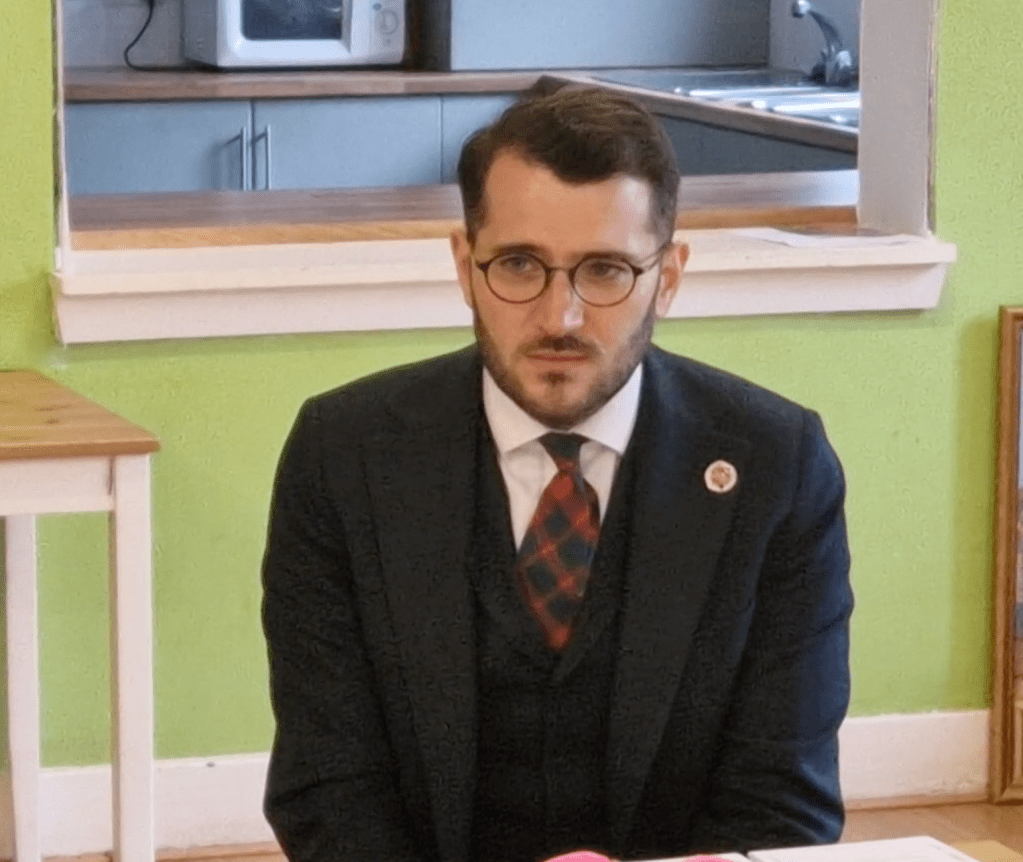
Paul Sweeney, Labour MSP, said: “The idea of having to wait years for consultation is a disgrace, we know that there is an epidemic of people out there self-medicating, for acute mental health.
“We have got young people who are ending their lives, people with psychosis, and really difficult situations with addictions. If they are not getting timely consultations and appointments with health professionals, then that price is being paid somewhere in the system and often it is being paid by communities.
“Behind those numbers are families at their wits end.”
Background
At the time of Luke’s tragic passing death, a strategy to tackle suicide was non-existent.
The Scottish Government announced its first suicide prevention pledge in 2018, the Every Life Matters, Suicide Prevention Action Plan (SPAP).
Then from that, the government launched Creating Hope Together in 2022, setting out a 10-year strategy.
In 2022, the number of male suicides in Scotland were 556, while the number of women taking their own lives was 206 in the same year.
And just last week it was reported by the BBC that the number of women seeking mental health support in Scotland had soared by more than 40 per cent from 2020, and suicide was found to be highest in women in their 50s.
As Finance Secretary Shona Robison announced £500m in savings to be made ahead of the 2025/26 budget, concerns have increased for the NHS workforce, which is known to be often operating with skeletal staff teams as it is.
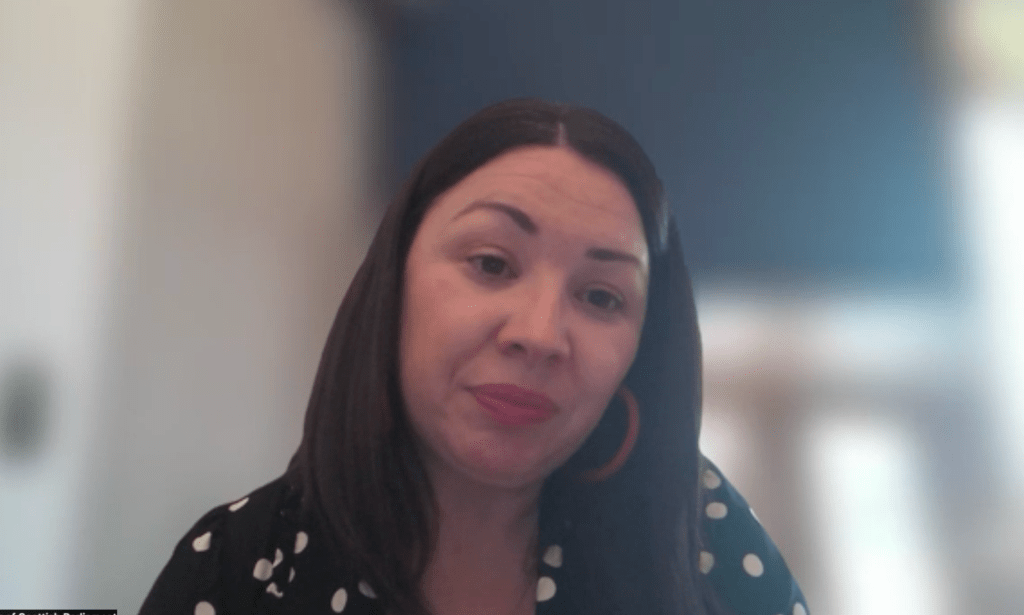
Monica Lennon Labour MSP, who has backed Luke’s legacy campaign from the beginning, said: “Karen’s research, reading along with other public statistics, is a very concerning picture. It shows that we have a serious mental health crisis in Scotland, an NHS workforce is not equipped to deal with that, communities are not equipped to deal with that, and the Scottish Government doesn’t seem to be accepting that something really serious needs to change.”
 Amanda Crawford - Portfolio